Dependable General Contractor: Constructing Dreams Into Reality
A credible general contractor is instrumental in converting architectural visions into physical structures. Through managing timelines and budgets, they secure projects advance efficiently. Their expertise fosters a collaborative environment, vital for lessening risks. Nonetheless, not all contractors are similar. Knowing how to identify the right one is crucial for any successful project. What critical qualities should one seek, and how can they shape the overall outcome?
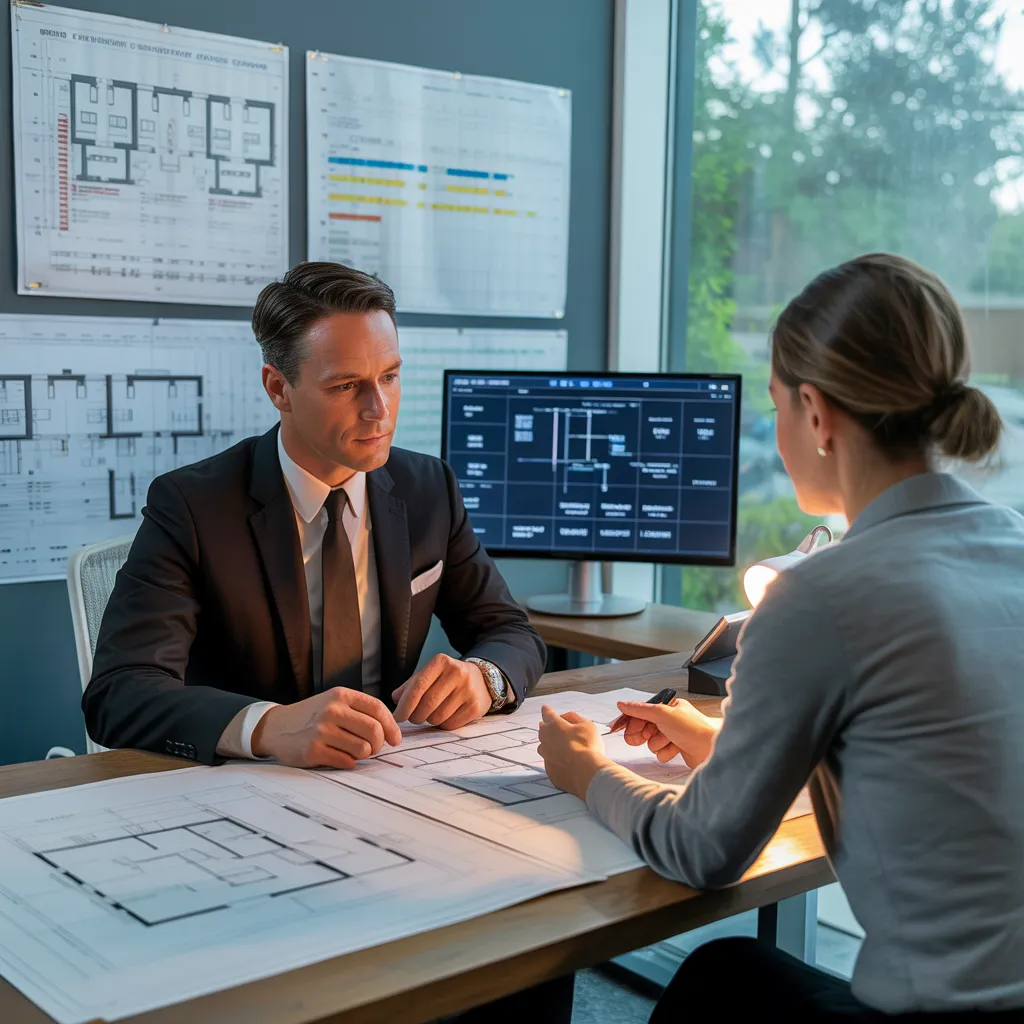
Steps to Recognize a Reliable General Contractor
In what manner can one establish the reliability of a general contractor? Evaluating a contractor's reputation remains vital. A practical technique is to seek referrals from loved ones and internet reviews, which deliver information into historical results and customer contentment. Additionally, confirming proper licensing and protective insurance confirms that the contractor follows professional guidelines and shields against possible risks. Inspecting past assignments, either by reviewing work samples or on-site inspections, allows someone to measure the quality of their construction expertise.
Furthermore, gathering various proposals facilitates assessment of costs and project schedules, revealing any inconsistencies that may indicate untrustworthiness. Effective communication is also crucial factor; a trustworthy service provider should be attentive and straightforward in their interactions. Finally, verifying references can furnish beneficial insights about a contractor's work ethic and reliability. By adopting these approaches, one can reach informed decisions when appointing a construction contractor for building undertakings.
Fundamental Capabilities of a Skilled General Contractor
An remarkable building professional embodies core attributes that establish successful project outcomes. Powerful communication skills facilitate clear interactions with clients, subcontractors, and suppliers, while proven project management experience secures efficient and cost-effective execution. These traits are indispensable in transforming a vision into reality.
Excellent Interactive Proficiencies
While effective project management is crucial for a general contractor, strong communication skills often serve as the cornerstone for fruitful partnerships. These skills enable a contractor to articulate project goals clearly, ensuring that all team members and stakeholders are aligned. Effective communication fosters trust, permitting for transparent discussions regarding timelines, budgets, and changes. A good general contractor actively listens clients, subcontractors, and suppliers, handling issues promptly and adapting to feedback. This two-way dialogue not only enhances problem-solving but also creates a positive working environment. Additionally, clear communication reduces misunderstandings, which can lead to costly delays or errors. Ultimately, robust communication abilities empower a general contractor to navigate challenges efficiently, ensuring that projects progress smoothly from inception to completion.
Verified Project Management Proficiency
Demonstrating proven project management experience is crucial for any general contractor seeking for success. Effective project management involves careful planning, resource allocation, and timeline adherence. A seasoned contractor demonstrates an ability to coordinate multiple teams, ensuring that architects, engineers, and subcontractors cooperate seamlessly. Furthermore, they skillfully handle challenges, employing problem-solving skills to keep projects on track and within budget. Their experience allows them to foresee potential issues, mitigating risks before they escalate. Additionally, strong project management fosters transparency, enabling clients to stay informed throughout the construction process. By prioritizing quality control and complying with safety standards, a general contractor with proven experience not only delivers exceptional results but also builds lasting relationships grounded in trust and reliability.
The Advantages of Hiring a Reliable General Contractor
Engaging a dependable general contractor brings major perks in any development project. Their skills and track record guarantee that activities are executed to high standards, while also enhancing productivity and financial savings. This combination allows homeowners and businesses to focus on their vision without the anxiety of project management.
Knowledge And Experience
Engaging a experienced general contractor provides a wealth of skill and experience to any construction project. Their comprehensive knowledge of building codes, regulations, and industry standards secures that every aspect of the construction process is compliant and efficient. Seasoned contractors have perfected their skills through numerous projects, allowing them to foresee potential challenges and formulate effective solutions. Their established relationships with subcontractors and suppliers further boost the quality of work and materials used. Additionally, a reliable general contractor exhibits strong project management skills, overseeing timelines, budgets, and resources effectively. This expertise not only lowers risks but also fosters a collaborative environment, transforming a client’s vision into a tangible reality while maintaining high standards throughout the construction journey.
Timing and Cost Efficiency
A dependable general contractor considerably boosts the efficiency of both time and cost in construction projects. By managing different subcontractors and suppliers, they optimize workflows, cut down delays, and ensure tasks are done promptly. Because of solid industry relationships, they often secure better pricing on materials and labor, cutting down total project costs. In addition, a competent contractor preemptively spots potential problems, allowing for quick solutions that avert costly setbacks. Their expertise in project management facilitates effective allocation of resources, guaranteeing efficient use of labor and materials. Ultimately, hiring a trustworthy general contractor not only expedites project timelines but also safeguards the budget, providing clients with peace of mind and confidence in their investment.
Streamlining Your Project With a General Building Contractor
Effective project planning often depends on the expertise of a general contractor. By functioning as the central hub in the construction process, a general contractor coordinates various components of the project, ensuring seamless communication among subcontractors, suppliers, and clients. This cohesive approach minimizes delays and reduces the chance of miscommunication, which can lead to expensive mishaps.
A project leader accelerates the workflow by instituting distinct schedules and frameworks, allowing all stakeholders to stay connected to project milestones. They also possess the insight to recognize challenges, driving aggressive remedy implementation. Likewise, they supervise authorizations and quality checks, diminishing the burden on consumers and safeguarding adherence with local regulations.
Ultimately, the participation of a experienced general contractor converts intricate undertakings into controllable responsibilities, enabling homeowners and developers to concentrate on their vision while experiencing peace of mind throughout the construction process. This collaboration fosters a more efficient and successful project outcome.
Top 5 Errors to Steer Clear Of When Choosing a Contractor
How can homeowners ensure they choose the right contractor for their project? Avoiding common pitfalls is essential. First, homeowners should avoid choosing a contractor solely based on the lowest bid. Quality often comes at a price, and a low estimate may indicate inadequate experience or hidden costs. Second, failing to check references can lead to selecting someone untrustworthy or unreliable. Third, neglecting to verify licenses and insurance can expose homeowners to legal and financial liabilities. Fourth, not reviewing project timelines in detail may result in unexpected delays and frustrations. Ultimately, homeowners often overlook the importance of clear dialogue. A contractor who doesn't listen to concerns or provide updates can cause misunderstandings. By steering clear of these mistakes, homeowners can enhance their chances of selecting a contractor who will effectively bring their vision to life.
Critical Matters to Address Before Signing a Contract?
What important inquiries should homeowners think about before signing a agreement with a service provider? First, they should inquire about the service provider's credentials and coverage status. Valid credentials safeguard homeowners from possible liabilities. Subsequently, requesting references and reviewing past projects can offer insight into the service provider's dependability and quality of work. Homeowners should also talk about timelines—knowing the projected start and completion dates is critical for planning.
Additionally, clarifying payment arrangements is essential; homeowners must know the required deposit and the schedule for additional payments. Moreover, homeowners should inquire about what will take place if unforeseen challenges arise during the project, including change orders and how they will be addressed. Finally, grasping warranty details on both workmanship and materials can provide peace of mind. By addressing these questions, homeowners can determine the best course and establish a firm base for their project.
Creating a Durable Bond With Your General Contractor
Building a strong rapport with a general contractor can significantly improve the overall experience of a home building or remodeling project. Clear dialogue is the cornerstone of this partnership, fostering trust and transparency. Homeowners should emphasize transparent communication, discussing objectives, timelines, and budget constraints early in the process.
Regular check-ins and communications can help resolve issues promptly, guaranteeing that both parties remain synchronized throughout the project. Additionally, demonstrating gratitude for the contractor's expertise can foster mutual respect and encourage a collaborative atmosphere.
Flexibility is also important; understanding that obstacles may occur can facilitate solution-finding and flexibility. A positive rapport can result in superior quality work, as contractors are more likely to invest additional effort when they feel valued. In the end, a lasting partnership with a general contractor not only contributes to a successful project but can also generate possibilities for upcoming projects.
Often Asked Concerns Section
How Do General Contractors Manage Unforeseen Project Changes?
General contractors coordinate unforeseen modifications by evaluating the situation, communicating with stakeholders, adjusting timelines and budgets, and deploying corrective measures. Flexibility and problem-solving skills are necessary in maintaining project momentum despite unforeseen challenges.
What Varieties of Works Do General Contractors Generally Supervise?
General contractors regularly coordinate numerous types of projects, including home improvements, commercial construction, public works projects, and unique implementations. Their expertise covers management, cost estimation, and scheduling, making certain project success across multiple construction types and complexities.
How Can Payment Plans Operate in Conjunction With a General Contractor?
Payment schedules with a general contractor typically include initial payments, succeeded by progress payments tied to project milestones. Final payments occur upon project completion, guaranteeing both parties stay in agreement on financial commitments throughout the construction process.
Is it Possible for a General Contractor to Assist With Permits and legal requirements?
A construction manager can absolutely provide assistance with regulatory approvals and licensing. They generally handle local building codes, file necessary documents, and maintain regulatory adherence, reducing complexity for property owners and preventing costly regulatory issues.
What results if the Project surpasses the Initial Budget?
If a project exceeds the initial budget, the construction company generally discusses the reasons for the uptick. They may propose adjustments, request customer authorization, and explore economy solutions to keep the project comprehensive guide on course.